

How Suboxone Detox Differs From Methadone
As opiate addiction rates continue to rise, new treatment approaches for helping addicts in recovery continue to be developed. Methadone, a long-standing treatment for opiate addiction, offers an effective treatment solution. In spite of the in-depth research and field data obtained regarding methadone’s effects, this treatment approach does still have its drawbacks.
Suboxone, a fairly new opiate addiction treatment, works in much the same way as methadone while offering certain key improvements in the process. For people looking for a methadone detox alternative, Suboxone detox may be of benefit.
Compared to methadone, Suboxone detox treatment has been made more accessible to those in need of help. During the course of treatment, Suboxone detox also poses less of an addiction risk than methadone. Ultimately, a person’s individual treatment needs will dictate which detox approach will work best.
Suboxone
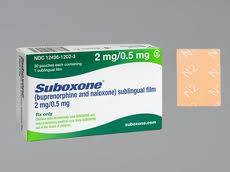
Suboxone is typically administered in tablets that you dissolve under your tongue.
According to the National Institute on Drug Abuse, Suboxone exists as one of two products formulated from buprenorphine, one of the active ingredients in Suboxone. Both Suboxone and methadone work to relieve the withdrawal and drug cravings that occur during the detox period.
In addition to buprenorphine, Suboxone contains a second drug agent known as naloxone. The combination of buprenorphine and naloxone in one tablet not only keeps withdrawal and cravings in check but also helps reduce the likelihood of relapse.
As methadone and buprenorphine produce the same treatment effects, Suboxone’s added naloxone ingredient works particularly well for people who’ve made multiple failed attempts at detox.
Suboxone vs. Methadone: Effects on the Brain
Both Suboxone and methadone interact with the same brain cell receptors as addictive opiate drugs do. In effect, both drugs mimic opiate effects and thereby cancel out withdrawal and cravings symptoms. Suboxone and methadone differ in how they interact with cell receptor sites.
Whereas methadone triggers cell receptor sites in the same way as opiates, with Suboxone detox, cell receptor are only partially triggered or activated. This means, Suboxone detox eventually reaches a “ceiling effect” where the effects of the drug start to grow weaker with continued use.
Addiction Potential
Since Suboxone and methadone are both synthetic opiate drugs, the potential for addiction is there, though less so than with commonly abused opiate drugs like heroin. Where methadone falls within the Schedule II class of narcotic opiate drugs, Suboxone is a Schedule III class drug.
Suboxone’s partial “opiate-like” effects in the brain reduce its addiction potential compared to methadone’s effects on brain receptor sites. For people struggling with severe addiction conditions, the reduced risk of addiction in Suboxone detox may work better in terms of preventing recovering addicts from attempting to abuse Suboxone.
Accessibility
Methadone exists as one the most regulated treatment drugs on the market, mostly because of its opiate-type effects. As a result, recovering addicts can only receive methadone treatment from authorized methadone programs.
As Suboxone detox poses a lower risk of dependency and addiction, the drug can be obtained through an authorized physician’s office. Rather than frequent methadone clinic facilities on a daily basis, Suboxone detox treatment allows recovering addicts access to prescription supplies from their physician’s office.
 Suboxone Detox Methods -
People addicted to opiate drugs such as heroin and pain-relief prescription medications often require medication replacement therapy as part of the drug treatment process. Suboxone is one of a handful of medications used to treat opiate withdrawal effects for recovering addicts. While effective at relieving withdrawal effects, Suboxone is also an opiate-based drug. This accounts ...
Suboxone Detox Methods -
People addicted to opiate drugs such as heroin and pain-relief prescription medications often require medication replacement therapy as part of the drug treatment process. Suboxone is one of a handful of medications used to treat opiate withdrawal effects for recovering addicts. While effective at relieving withdrawal effects, Suboxone is also an opiate-based drug. This accounts ...  How to Detox From Suboxone -
You can avoid most Suboxone withdrawal symptoms by working closely with your doctor and pharmacist to taper doses over a week or more. Even though the medication gets prescribed to help you break an addiction to powerful painkillers like OxyContin and Vicodin, Suboxone itself produces many of the same physical effects as those opioids. As ...
How to Detox From Suboxone -
You can avoid most Suboxone withdrawal symptoms by working closely with your doctor and pharmacist to taper doses over a week or more. Even though the medication gets prescribed to help you break an addiction to powerful painkillers like OxyContin and Vicodin, Suboxone itself produces many of the same physical effects as those opioids. As ...  Suboxone Detox Symptoms -
According to the NLM, “The combination of buprenorphine and naloxone [brand name Suboxone] prevent withdrawal symptoms when someone stops taking opioid drugs by producing similar effects to these drugs.” In most cases, Suboxone is used for this purpose, especially because it can trigger withdrawal symptoms when abused. But what happens when an individual is ready ...
Suboxone Detox Symptoms -
According to the NLM, “The combination of buprenorphine and naloxone [brand name Suboxone] prevent withdrawal symptoms when someone stops taking opioid drugs by producing similar effects to these drugs.” In most cases, Suboxone is used for this purpose, especially because it can trigger withdrawal symptoms when abused. But what happens when an individual is ready ...  Is Suboxone Detox Safe? -
As of 2002, Suboxone was approved by the U. S. Food & Drug Administration for use as an opiate addiction treatment, according to the Substance Abuse & Mental Health Services Administration. While still considered fairly new, Suboxone detox treatment has proven to be an effective opiate addiction treatment approach. As with most any medication treatment, ...
Is Suboxone Detox Safe? -
As of 2002, Suboxone was approved by the U. S. Food & Drug Administration for use as an opiate addiction treatment, according to the Substance Abuse & Mental Health Services Administration. While still considered fairly new, Suboxone detox treatment has proven to be an effective opiate addiction treatment approach. As with most any medication treatment, ...  How Long Does it Take to Detox Off Suboxone? -
As one of a handful of medication therapies used to treat opiate addictions, Suboxone offers an effective treatment approach for weaning addicts off the effects of addictive opiate drugs. Similar to methadone, Suboxone helps reduce the ongoing withdrawal and drug cravings addicts experience in recovery, according to the U. S. Food & Drug Administration. Suboxone ...
How Long Does it Take to Detox Off Suboxone? -
As one of a handful of medication therapies used to treat opiate addictions, Suboxone offers an effective treatment approach for weaning addicts off the effects of addictive opiate drugs. Similar to methadone, Suboxone helps reduce the ongoing withdrawal and drug cravings addicts experience in recovery, according to the U. S. Food & Drug Administration. Suboxone ...