

Suboxone Detox Symptoms
According to the NLM, “The combination of buprenorphine and naloxone [brand name Suboxone] prevent withdrawal symptoms when someone stops taking opioid drugs by producing similar effects to these drugs.” In most cases, Suboxone is used for this purpose, especially because it can trigger withdrawal symptoms when abused. But what happens when an individual is ready to stop taking Suboxone?
No matter what, once you start to taper off your Suboxone use, you will begin to experience detox or withdrawal symptoms. These are similar to those caused by other opioids, but it is still important to understand the process of Suboxone detox and its symptoms.
Why Go Through Suboxone Detox?
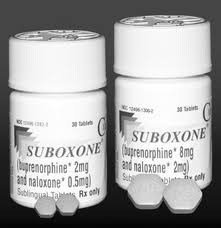
Suboxone is commonly used by those addicted to opioids.
When a person starts taking this medication, they do so because they are dependent on (and possibly also addicted to) opioid drugs like heroin, methadone, morphine, oxycodone, etc. First, the patient is stabilized on the medication which means that they’ll stop abusing opioid drugs and taking regular doses of Suboxone to minimize their withdrawal symptoms and help protect them from relapse.
Then a person may choose to either be maintained on this drug or go through medically-supervised withdrawal, or detox. A patient may be maintained for some time on Suboxone before going through detox, which makes it important to understand the symptoms of withdrawal. All in all, most individuals who start Suboxone eventually want to be tapered off the drug which is why they decide to go through detox.
Detox Symptoms
The symptoms of Suboxone detox are extremely similar to those of opioid drug detox. Because buprenorphine is the active ingredient in this medication and is a partial opioid agonist, this means that the individual will experience the same withdrawal symptoms. However, with the tapering of the drug and the fact that buprenorphine is a partial opioid agonist, these symptoms will likely not be as intense as those experienced by individuals dependent on full opioid agonists.
Listed below are many of the common detox symptoms when a person stops taking Suboxone or tapers off the drug. While the individual will still experience these symptoms if they are weaned off the drug, it is better for them to do so, as the symptoms will not be as intense or as likely to lead to relapse this way.
- Anxiety
- Body aches and pains (especially in muscles, joints, and bones)
- Insomnia
- Restlessness
- Runny nose
- Muscle tension
- Nausea
- Vomiting
- Diarrhea
- Headaches
- Fatigue
- Depression
- Irritability
- Goose bumps
- Abdominal cramps
- Tearing of the eyes (crying)
- Dilated pupils
- Sweating
- Yawning
- Agitation
These symptoms are all commonly experienced during opioid withdrawal. There are also other important factors to consider as well. Symptoms will often cause the individual to feel like they have the flu. The withdrawal syndrome from Suboxone can be extremely uncomfortable, even when the drug is tapered off slowly, and it can be a very difficult time for the individual patient and as well as loved ones. It is important to note, though, that Suboxone detox symptoms are not completely the same as those caused by other opioid withdrawal syndromes.
Other Detox Symptoms
There are a few other symptoms that are not always experienced by other opioid drug users when going through detox. For example, depending on how quickly you begin tapering off the drug, it can be incredibly uncomfortable both mentally and physically. Many individuals describe issues with depersonalization when they go through Suboxone detox. It is important to describe these feelings to your doctor and to seek a solution. You may need to be withdrawn from the medication more slowly.
Headaches can also occur during detox. If they are incredibly intense, to the point of experiencing them all the time or not being able to focus on other things, it may be important to discuss them with your doctor as well.
Finally, it can feel as if the energy has been sapped from your body. Suboxone actually helps you focus better and allows you to deal with the issue of opioid dependence and withdrawal more easily. Without it, you may feel very exhausted. This is all the more reason to rest during detox and to take it easy with work, school, and other stressful things.
How Long Do Suboxone Detox Symptoms Last?
Suboxone detox symptoms can last anywhere from a week to several months depending on
- How long the individual was taking the drug
- Whether or not the individual is being weaned off of the drug
- How much of the drug the individual was taking
Any of these factors can change the length of the time that Suboxone detox symptoms may last. However, Harvard Medical School states, “The intensity of the reaction depends on the dose and speed of withdrawal.” It is also true that short acting opioids actually create briefer symptoms but also more intense ones.
The DEA states, “Buprenorphine is a long-acting (24-72 hours) opioid.” This means that, even though the symptoms may not be as intense as those caused by heroin and other short-acting opioids, they will usually linger for a longer period. A person may experience Suboxone detox symptoms for a month or more.
Dealing with Suboxone Detox Symptoms
The easiest way to deal with these symptoms is to taper off the drug slowly. Give yourself time to get used to each lower dose, and discuss everything with your doctor. Other tips on dealing with Suboxone detox symptoms include
- Get plenty of rest.
- Drink lots of water, juice, and other fluids.
- Keep a journal of your progress through Suboxone detox so you can see that you are making strides every day.
- Ask about over-the-counter medications (and even herbal remedies) that your doctor may be able to recommend for persistent or painful symptoms.
- Relax and do not take on your full schedule for a while in order to let yourself heal.
- Reach out to your friends and family when you are feeling depressed, anxious, or otherwise like you are struggling. It is important to remember that there are others who want you to succeed as much as you do.
Suboxone detox symptoms, while usually not as intense as full opioid agonist withdrawal symptoms, can last a long time and still be difficult to bear. Make sure you discuss your plan for detox with your doctor in order to achieve the best results.
 Overcoming Challenges in Suboxone Detox -
Suboxone, a fairly new medication treatment for relieving opiate addiction cravings, carries its own potential for addiction. As one of two brand name medications derived from buprenorphine, Suboxone offers certain benefits that methadone treatment therapy lacks. That being so, according to a Columbia University report, emergency-room visits for buprenorphine-related problems increased from 3,161 to 30,135 ...
Overcoming Challenges in Suboxone Detox -
Suboxone, a fairly new medication treatment for relieving opiate addiction cravings, carries its own potential for addiction. As one of two brand name medications derived from buprenorphine, Suboxone offers certain benefits that methadone treatment therapy lacks. That being so, according to a Columbia University report, emergency-room visits for buprenorphine-related problems increased from 3,161 to 30,135 ...  How Suboxone Detox Differs From Methadone -
As opiate addiction rates continue to rise, new treatment approaches for helping addicts in recovery continue to be developed. Methadone, a long-standing treatment for opiate addiction, offers an effective treatment solution. In spite of the in-depth research and field data obtained regarding methadone’s effects, this treatment approach does still have its drawbacks. Suboxone, a fairly ...
How Suboxone Detox Differs From Methadone -
As opiate addiction rates continue to rise, new treatment approaches for helping addicts in recovery continue to be developed. Methadone, a long-standing treatment for opiate addiction, offers an effective treatment solution. In spite of the in-depth research and field data obtained regarding methadone’s effects, this treatment approach does still have its drawbacks. Suboxone, a fairly ...  How to Detox From Suboxone -
You can avoid most Suboxone withdrawal symptoms by working closely with your doctor and pharmacist to taper doses over a week or more. Even though the medication gets prescribed to help you break an addiction to powerful painkillers like OxyContin and Vicodin, Suboxone itself produces many of the same physical effects as those opioids. As ...
How to Detox From Suboxone -
You can avoid most Suboxone withdrawal symptoms by working closely with your doctor and pharmacist to taper doses over a week or more. Even though the medication gets prescribed to help you break an addiction to powerful painkillers like OxyContin and Vicodin, Suboxone itself produces many of the same physical effects as those opioids. As ...  Suboxone Detox Methods -
People addicted to opiate drugs such as heroin and pain-relief prescription medications often require medication replacement therapy as part of the drug treatment process. Suboxone is one of a handful of medications used to treat opiate withdrawal effects for recovering addicts. While effective at relieving withdrawal effects, Suboxone is also an opiate-based drug. This accounts ...
Suboxone Detox Methods -
People addicted to opiate drugs such as heroin and pain-relief prescription medications often require medication replacement therapy as part of the drug treatment process. Suboxone is one of a handful of medications used to treat opiate withdrawal effects for recovering addicts. While effective at relieving withdrawal effects, Suboxone is also an opiate-based drug. This accounts ...  How Long Does it Take to Detox Off Suboxone? -
As one of a handful of medication therapies used to treat opiate addictions, Suboxone offers an effective treatment approach for weaning addicts off the effects of addictive opiate drugs. Similar to methadone, Suboxone helps reduce the ongoing withdrawal and drug cravings addicts experience in recovery, according to the U. S. Food & Drug Administration. Suboxone ...
How Long Does it Take to Detox Off Suboxone? -
As one of a handful of medication therapies used to treat opiate addictions, Suboxone offers an effective treatment approach for weaning addicts off the effects of addictive opiate drugs. Similar to methadone, Suboxone helps reduce the ongoing withdrawal and drug cravings addicts experience in recovery, according to the U. S. Food & Drug Administration. Suboxone ...